No specific instructions for this exercise.
Baby got BACK (back workout)
28 min
·
14 exercises
Pull down/ Cable oriented

Elliptical
go until you're tired!
1:00 rest
Standing Arm Circles
Inchworms
Supermans
1:00 rest
Resistance Band Glute Bridges
0:30 rest
Back Extensions
0:30 rest
Close Grip Lat Pulldowns
0:15 rest
Straight Arm Pulldowns
0:15 rest
Wide-Grip Lat Pulldowns
0:15 rest
Machine Assisted Pull-ups
Backward Camel Stretch
Knee-to-Chest Lower Back Stretch
Shoulder Stretch
Wall Angels
This Baby got BACK (back workout) 28 min gym workout plan effectively targets your abs, back, cardio, legs and shoulders. Easily follow this workout with confidence on your phone or printable exercise program with our clear exercise demonstrations. You can also look up step-by-step instructions for each of the 14 exercises and see which muscle groups they target. Enjoy!
For more pre-planned training plans and hundreds of workouts, check out Fit – a simple workout app you will love! Follow visual workouts, manage your training calendar, build your own routines, track your progress and more. Join thousands of Fit users and sign up today to claim your free week!
For more pre-planned training plans and hundreds of workouts, check out Fit – a simple workout app you will love! Follow visual workouts, manage your training calendar, build your own routines, track your progress and more. Join thousands of Fit users and sign up today to claim your free week!
Baby got BACK (back workout)
28 min
·
14 exercises
Pull down/ Cable oriented
Elliptical

go until you're tired!
Primary muscle group(s):
Quadriceps
Secondary:
Calves, Glutes & Hip Flexors, Hamstrings


Standing Arm Circles

Primary muscle group(s):
Shoulders
Secondary:
Upper Back & Lower Traps


- Standing with a flat back and tight core, raise your arms to the sides.
- While focusing on the shoulders, slowly rotate your arms in a circular motion. Start with small circles. Gradually increase the size of the circles.
- After completing one set of a pre-determined number (such as 10 repetitions), reverse the direction, going counter-clockwise.
Inchworms

Primary muscle group(s):
Abs, Glutes & Hip Flexors, Lower Back
Secondary:
Biceps, Calves, Chest, Forearms, Shoulders


- Stand tall with your legs extended straight.
- Bend over from the hips and touch the floor with your palms flat on the floor.
- Keep your legs straight as you walk your hands as far forward as you can. Don’t let your hips sag.
- Take small steps and walk your feet to your hands.
- Continue for the desired amount of repetitions and then straighten up to the starting position.
Primary muscle group(s):
Abs
- Get into a face down position on the floor supporting your upper body on your forearms. Your elbows should be bent at 90 degrees.
- Extend your legs straight out behind you, supporting them on your toes and balls of your feet.
- Keep your body in a straight line by tightening your abdominal and oblique muscles.
- Hold for as long as possible.
For extra balance training and core strengthening, you can lift one arm or leg.
Supermans

Primary muscle group(s):
Lower Back
Secondary:
Abs

- Lie face down on a mat, with your arms fully extended above your head and your legs fully extended behind you.
- Lift your chest, arms and legs off the floor by arching your back. Only the tops of your quads and your lower abdomen should be in contact with the floor.
- Hold for a count of 2 while squeezing your abdominals and obliques.
- Return to the starting position for a count of one, then repeat.
This exercise can be done using one arm and it's opposite leg at a time. For example, right arm and left leg raised while your left arm and right leg remain on the floor. This method of execution allows you to use the free hand to push down on the floor to lift your chest higher from the ground.
Primary muscle group(s):
Lower Back
Secondary:
Glutes & Hip Flexors, Hamstrings
- Lie face down on a hyper extension bench with your upper thighs and lower hips on the support pad. You must be able to bend at the waist freely.
- Lock your ankles under the footpads.
- Start with your body in a straight line head to toe.
- Place your arms across your chest, behind or at the side of your head.
- Slowly bend forward by relacing your, back and abdominal muscles.
- Continue as far as possible without rounding your back or raising your thighs from the support pad. You should feel a slight stretch in your hamstrings.Hold for a count of one.
- Return to the start position by contracting your back and abdominal muscles until your body is once again straight. Do not arch your back up at the end of the movement. Pause and repeat.
As your strength and flexibility increase, you can hold a weight plate against your chest for extra resistance.
Primary muscle group(s):
Lower Back
- Lie prone on a swiss ball with your feet hip width apart. You can place your feet against a wall for better stability. Clasp your hands behind your head with elbows pointing out.
- Engage your abs and raise your torso off the ball, hyperextending your spine.
- Return your torso to the ball to the starting position.
Resistance Band Glute Bridges

Primary muscle group(s):
Glutes & Hip Flexors, Lower Back
Secondary:
Quadriceps

- Lay down on an exercise mat with your feet flat on the floor and your knees pointing upwards bent at a 90 degree angle.
- Place a resistance band across your hips and pin it down to the ground using your hands at either side.
- Raise your hips upwards until a straight line is formed from your knees to your shoulders.
- Hold this extended position for 1 second before slowly lowering your hips down to the starting position.
Do not perform if you suffer from hypertension.
Primary muscle group(s):
Glutes & Hip Flexors
Secondary:
Abs, Lower Back

- Select an appropriate weight for the plate you will be using. Place it next to where you will be laying.
- Lay on flat on your back. Bend your knees, bringing your feet towards your hips. Bring the plate up and on to your pelvic area.
- Tighten your core, flatten your back, and make sure your feet are firmly on the ground. Raise your hips up, creating a straight line from your head to your knees.
- Slowly lower your hips and repeat the movement.
Primary muscle group(s):
Glutes & Hip Flexors, Hamstrings
Secondary:
Abs, Lower Back

- Lie on an exercise mat with your knees bent so that your feet are flat on the floor. Keep your back straight.
- Place your hands out to your sides palms flat for stability.
- Raise your glutes off the floor by extending your hips upward while pushing down through you heels.
- Continue until your back, hips and thighs are in a straight line. Hold for a count of one.
- Return to the start position by lowering your hips back to the floor.
- Pause then repeat.
Back Extensions

Primary muscle group(s):
Lower Back
Secondary:
Glutes & Hip Flexors, Hamstrings
- Lie face down on a hyper extension bench with your upper thighs and lower hips on the support pad. You must be able to bend at the waist freely.
- Lock your ankles under the footpads.
- Start with your body in a straight line head to toe.
- Place your arms across your chest, behind or at the side of your head.
- Slowly bend forward by relacing your, back and abdominal muscles.
- Continue as far as possible without rounding your back or raising your thighs from the support pad. You should feel a slight stretch in your hamstrings.Hold for a count of one.
- Return to the start position by contracting your back and abdominal muscles until your body is once again straight. Do not arch your back up at the end of the movement. Pause and repeat.
As your strength and flexibility increase, you can hold a weight plate against your chest for extra resistance.
Primary muscle group(s):
Lower Back
Secondary:
Abs
- Lie face down on a mat, with your arms fully extended above your head and your legs fully extended behind you.
- Lift your chest, arms and legs off the floor by arching your back. Only the tops of your quads and your lower abdomen should be in contact with the floor.
- Hold for a count of 2 while squeezing your abdominals and obliques.
- Return to the starting position for a count of one, then repeat.
This exercise can be done using one arm and it's opposite leg at a time. For example, right arm and left leg raised while your left arm and right leg remain on the floor. This method of execution allows you to use the free hand to push down on the floor to lift your chest higher from the ground.
Close Grip Lat Pulldowns

Primary muscle group(s):
Middle Back / Lats
Secondary:
Biceps

- Sit at a Lat Pulldown machine and secure your legs underneath the padded surface. Select an appropriate weight on the stack. Reach up to grab the barbell, taking a close-grip. Your hands should be at or closer than shoulder-width.
- Tighten your core and keep your chest up as you pull the barbell down and towards your chest. Be sure to pull with your lat muscles.
- Once the bar is at your chest, slowly allow it to return to the starting position but don’t let the weight stack touch. Repeat.
Primary muscle group(s):
Lower Back
Secondary:
Abs, Biceps, Shoulders
- Secure a pair of suspension straps. Stand facing the straps, brace your lower back, and tighten your core.
- Lean back, letting the straps hold your weight. Your arms should be straight.
- Pull yourself up with your back, maintaining a tight core.
- Squeeze the back muscles and slowly lower yourself. Repeat.
Primary muscle group(s):
Lower Back
Secondary:
Biceps, Shoulders, Upper Back & Lower Traps
- Connect a V-bar attachment to the low pulley on a cable station or cable rowing machine.
- Sit down at the station and place your feet on the foot pads or crossbar provided, while keeping your knees slightly bent.
- Lean forward, keeping your back straight and grip the V-bar handles with both hands.
- Keeping your arms fully extended pull back until your torso is at a 90-degree angle from your legs.
- Your back should be slightly arched, with your chest should be pushed out. This is the start position.
- Keeping your torso stationary, pull the handles back towards you while squeezing your back muscles.
- Keep your arms close to your sides until your hands reach your abdomen. Exhale as you perform this movement.
- Hold for a count of one.
- Inhale as you return to the start position in a smooth movement.
- Repeat.
Do not swing or rock back and forth as you perform this exercise. Doing so can cause lower back injury. <strong></strong> You can perform this exercise using a straight bar instead of a V-Bar. You can use an underhand or overhand grip.
Straight Arm Pulldowns

Primary muscle group(s):
Middle Back / Lats
Secondary:
Lower Back
- Stand with feet shoulder-width apart. Keep the lower back straight and the core tight. Reach up and grab a pull-down bar with a wide grip.
- Keeping your arms straight with a very slight bend in the elbow, pull the bar down to your hips. Breathe out and flex your lats as you do so.
- Pause and slowly return to the top of the movement. Do not let the weight rest against the stack. Repeat the movement.
Primary muscle group(s):
Chest, Upper Back & Lower Traps
Secondary:
Abs, Shoulders, Triceps


- Lie on a flat bench, holding a barbell on your chest with an overhand grip. (Your hands should be shoulder width apart)
- Get into starting position, raising the bar above your chest by extending your arms, but do NOT lock your elbows.
- Keeping your arms slightly bent, slower lower the weight in a smooth arc to a position behind your head by rotating your shoulders. (as if putting your hands in the air)
- Keep moving the barbell behind your head until you feel a slight stretch in your chest. Hold for a count of one.
- Return to the start position in a smooth revers arc.
- Continue holding the weight above your chest, then repeat.
Primary muscle group(s):
Chest, Upper Back & Lower Traps
Secondary:
Abs, Shoulders, Triceps
- Lie with your upper back perpendicular on a bench.
- Bend your knees and place your feet flat on the floor and flex your hips so that your body is in line.
- Grasp a dumbbell between your hands under the inner plate, palms facing up.
- Position the weight over your chest with your elbows slightly bent.
- Keep your elbows bent as you lower the dumbbell over your head until your upper arms are in line with your torso.
- To return to the starting position, pull the dumbbell up and over your chest.
Try to avoid raising your hips and maintain a small bend in your elbows throughout the movement.
Wide-Grip Lat Pulldowns

Primary muscle group(s):
Lower Back, Middle Back / Lats
Secondary:
Abs, Biceps
- Set up a cable station with a straight bar attached to the top pulley.
- Sit on the seat facing the station. Keep your feet flat and planted firmly on the floor.
- Using an overhand grip, hold the bar as wide as comfortable. (Your hands should be about 1 1/2 – 2 times body width apart.)
- Lean back slightly without arching your back.
- Pull the bar towards the top of your chest using your shoulders while arcing your elbows out to the sides of your body.
- At the end of the movement squeeze you shoulders together slightly and hold for a count of one.
- Return to the start position by arcing your elbows forward while relaxing your shoulders.
- Repeat.
Primary muscle group(s):
Lower Back, Upper Back & Lower Traps
Secondary:
Biceps, Forearms, Shoulders
- Standing under a pull-up bar, reach up and hold onto the bar with an overhand grip. Make sure your hands are about twice your shoulder width apart.
- Keep your arms straight and hang from the bar so that your arms are taking all of your weight.
- Keeping your body straight and not swinging your weight, pull your body up towards the bar by pulling your elbows down towards your torso at an angle.
- Continue lifting until your chest is nearly touching the bar. You should feel a “squeeze” at the base of your lats (about midway down your back and to the side) as they contract.
- Once your lats have completely contracted at the top of the movement, slowly lower your body to the starting position.
- Repeat.
By using a wide grip, your lats are doing most of the lift, rather than your biceps. It doesn't matter if you keep your legs straight or bent at the knees with your feet crossed. The important thing is that you do not use your legs to assist in lifting your body weight. As your strength increases, you can add weight by using a weight belt.
Machine Assisted Pull-ups
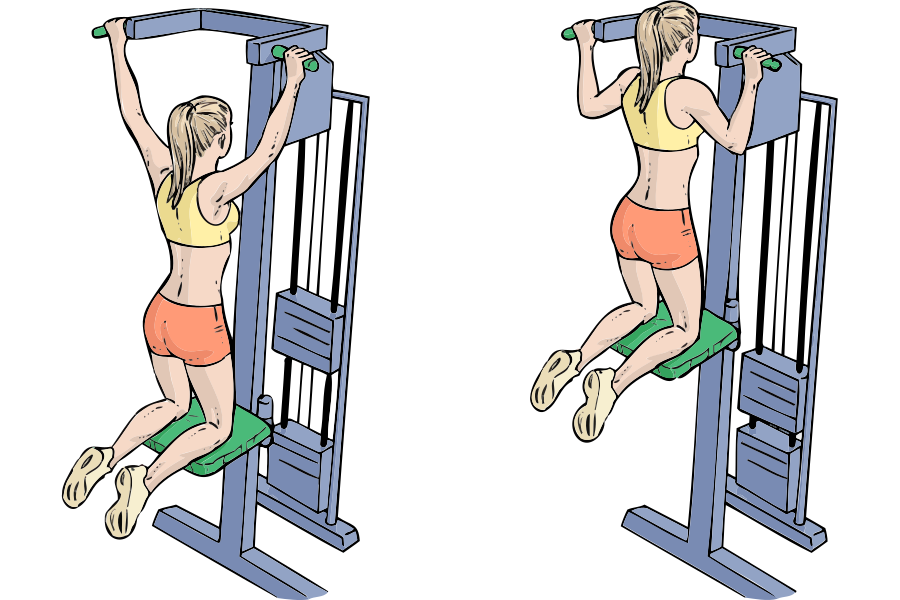
Primary muscle group(s):
Middle Back / Lats
Secondary:
Biceps
- Select the correct weight to counterbalance your own before beginning. The heavier the weight, the easier it will be.
- Reach above and use an overhand grip to secure yourself as you kneel on the padded surface of the assisted machine. Tighten your core as well as your glutes.
- Lower yourself slowly. Do not lock out the elbow. Pull yourself back to the starting position but do not let the weight touch the stack. Pause and repeat.
Primary muscle group(s):
Lower Back, Upper Back & Lower Traps
Secondary:
Abs, Biceps, Shoulders
- Set the bar to your waist height.
- Lie on your back under the bar.
- Reach up and grip the bar with an overhand grip with both hands.
- Keeping your body straight, pull yourself up towards the bar by pulling your elbows as far back as you can and trying to touch the bar with your chest.
- Hold and squeeze your arm and back muscles.
- Lower yourself back to the start position in a controlled motion.
- Repeat.
For this exercise, you can use a Smith machine bar, an Olympic bar on a rack or any other straight, sturdy bar set to the right height. The lower the bar is to the floor, the more intense it will be due to the starting angles of your arms.
Backward Camel Stretch

Primary muscle group(s):
Lower Back
Secondary:
Upper Back & Lower Traps
- Kneel on a mat with your hands and knees shoulder-width apart.
- Pull your abs in, hunch your back up and extend your spine.
- Hold the stretch and then release, push your abs back outwards to the starting position, flexing your spine as you do so.
Knee-to-Chest Lower Back Stretch

Primary muscle group(s):
Lower Back
- Lie on your back on a mat with your legs extended in front of you and backs of heels on the floor.
- Grab hold of your right knee and gently pull it up to your chest until you can feel a slight stretch in your lower back.
- Try to bring the knee as close to your chest as is comfortable while keeping the left leg relaxed.
- Hold the stretch and then release the leg to starting position.
- Repeat with the left leg.
Shoulder Stretch

Primary muscle group(s):
Shoulders
Secondary:
Neck & Upper Traps
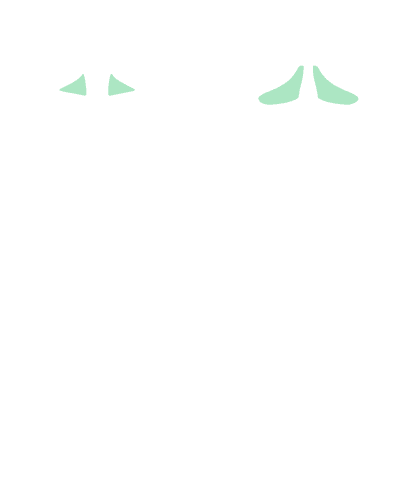
- Stand tall and bring your right arm across your upper body, holding it with your left arm just below or above the elbow.
- Hold the stretch and then release.
- Repeat the stretch with the left arm.
Wall Angels

Primary muscle group(s):
Quadriceps, Shoulders
Secondary:
Abs, Hamstrings
- Stand against a wall with your feet at shoulder-width. Walk your feet out about 2 or 3 steps. There will be a bend in your knees.
- Keep your core tight as you raise your hands up and next to your ears. Place your shoulders and arms against the wall.
- Push your arms above you, maintaining contact with the wall. Slowly, lower your arms and immediately begin again.
We're not done yet!
Exercises done
of 14
Approx. time left
32:15
You can switch gender of illustrations here
Got it
Swap that with...
What's new
Recently added
- Copy calendar contents between clients (Jan 19)
- Disable messaging for individual clients (Jan 19)
- Sort your client list in a few practical ways (Jan 19)
- Message multiple or all of your clients at once (Jan 17)
- 10 new exercises (Jan 10)
- Sidebar 'notepads' for privates notes (Dec 23)
- Supersetting functionality (Nov 22)
- 15 new exercises (Nov 12)
- Clients can now move workouts (Nov 7)
- 15 new exercises (Oct 10)
- 9 new exercises (Sep 14)
- 10 new exercises (Aug 30)
- Share workouts on Instagram and browser notifications (Aug 29)
Coming soon
- Your branding in client email notifications
- Share workouts on Pinterest
- Tools and resources to help you find new clients
Get more updates on Twitter
Uh oh! 5 workouts in your calendar will be permanently overwritten. Proceed?
The 5 mile run at the park with Mary custom activity will be deleted. Proceed?
Permanently delete ALL FUTURE WORKOUTS and activities in your calendar? This cannot be undone.
Uh oh! You’ve reached the 5 free workouts/month limit for non-members.
Enjoy a week of workouts on us and continue training 👍
Already a member? Sign in
Committed? Upgrade to yearly and save 25%!
Our yearly subscription is only $89.95 – $29.45 less than paying monthly*. That’s only $7.49/mo!

*$9.95/mo x 12 months = $119.40
OMG YES! Switch to yearly

, join thousands of users worldwide!
★★
★★
★★
★★
★★
4.5 user rating
Enjoy hundreds of workouts
or edit and create your own
Follow simple illustrations
with videos and written instructions
Manage your calendar
to get fit on your schedule
I'm committed 💪
$89.95
per
year
year
Comes to $7.50/mo
Save 25%
Best value &
popular option
popular option
One step at a time
$9.95
per
month
month
billed monthly
Where should we send
the workout link? 📲
the workout link? 📲
We’ll never call or send spam, and your number will
remain private. 🔒 or view the workout here
remain private. 🔒 or view the workout here
We’ll never call or send spam, and your
number will remain private. 🔒
number will remain private. 🔒
Delete forever?
Yep, toss it!